
Some of my favorite travel moments happen halfway up a mountain.
I went to the Dolomites twice this year, once in June and again in October. Same mountains, two completely different trips, and I came home from both already planning the next one.
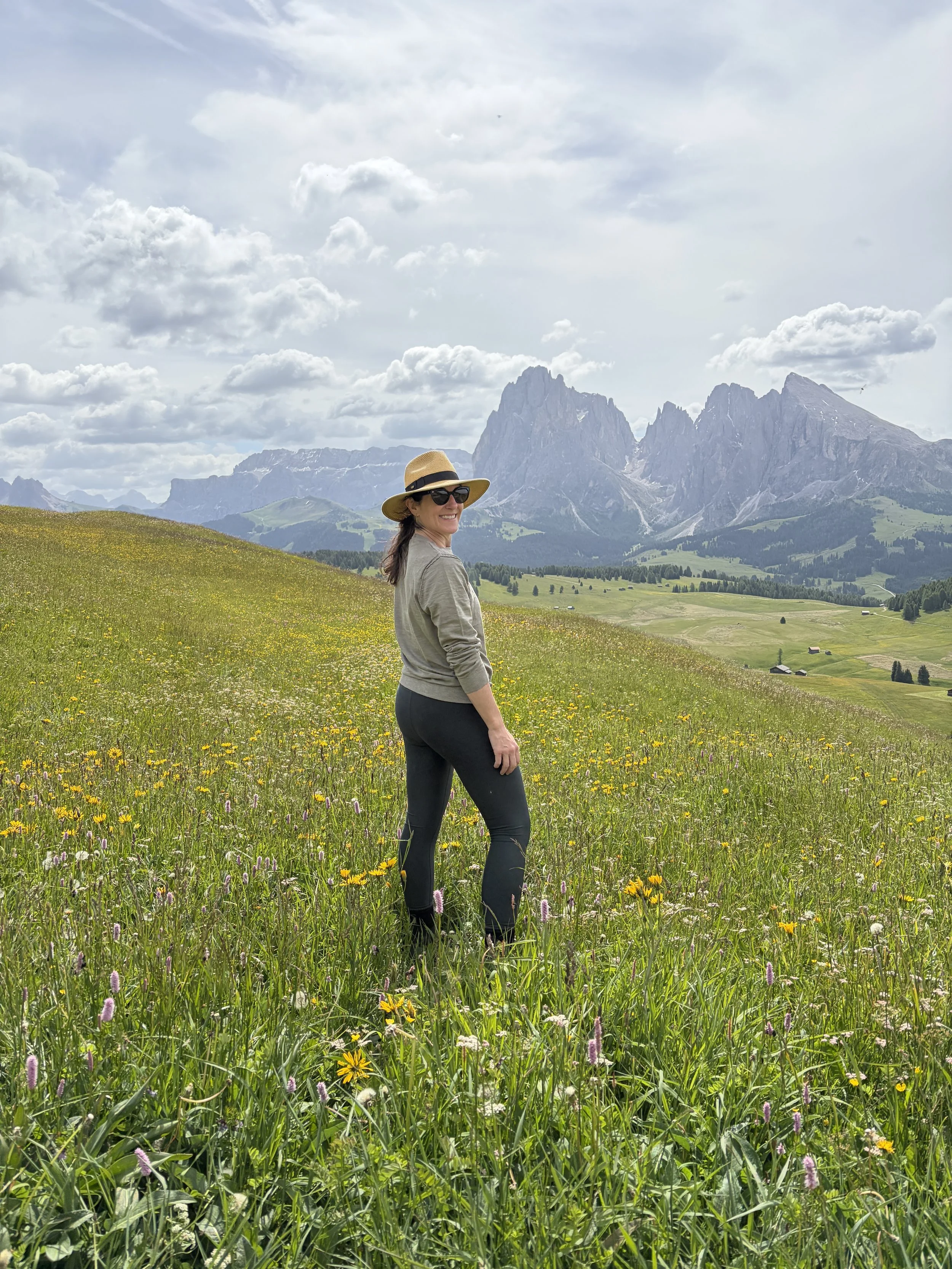
In June, I hiked the Alpe di Siusi beneath the towering peaks of Sassolungo and attended an incredible mountain-hut event in Alta Badia as part of the TRUE travel conference.
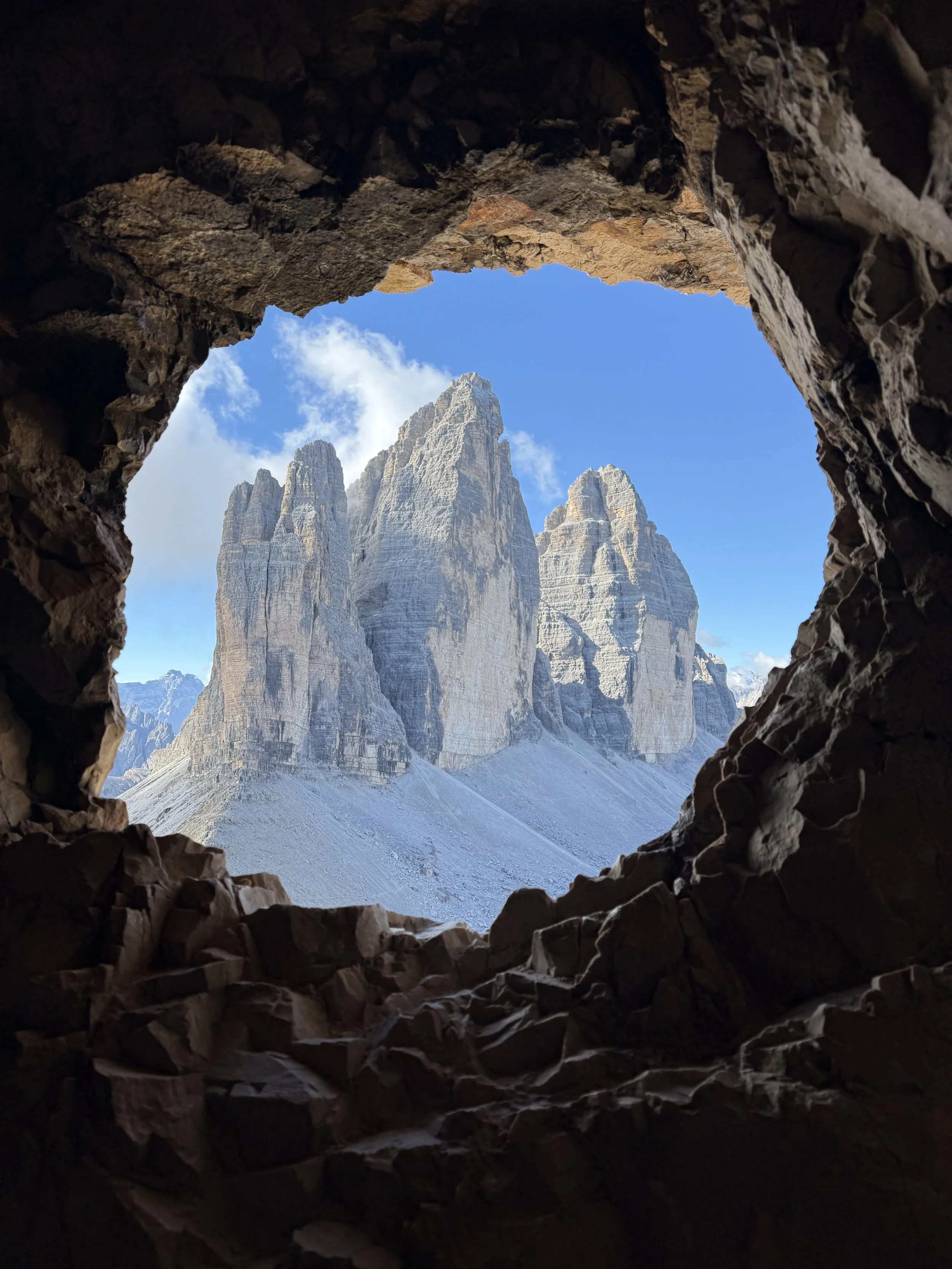
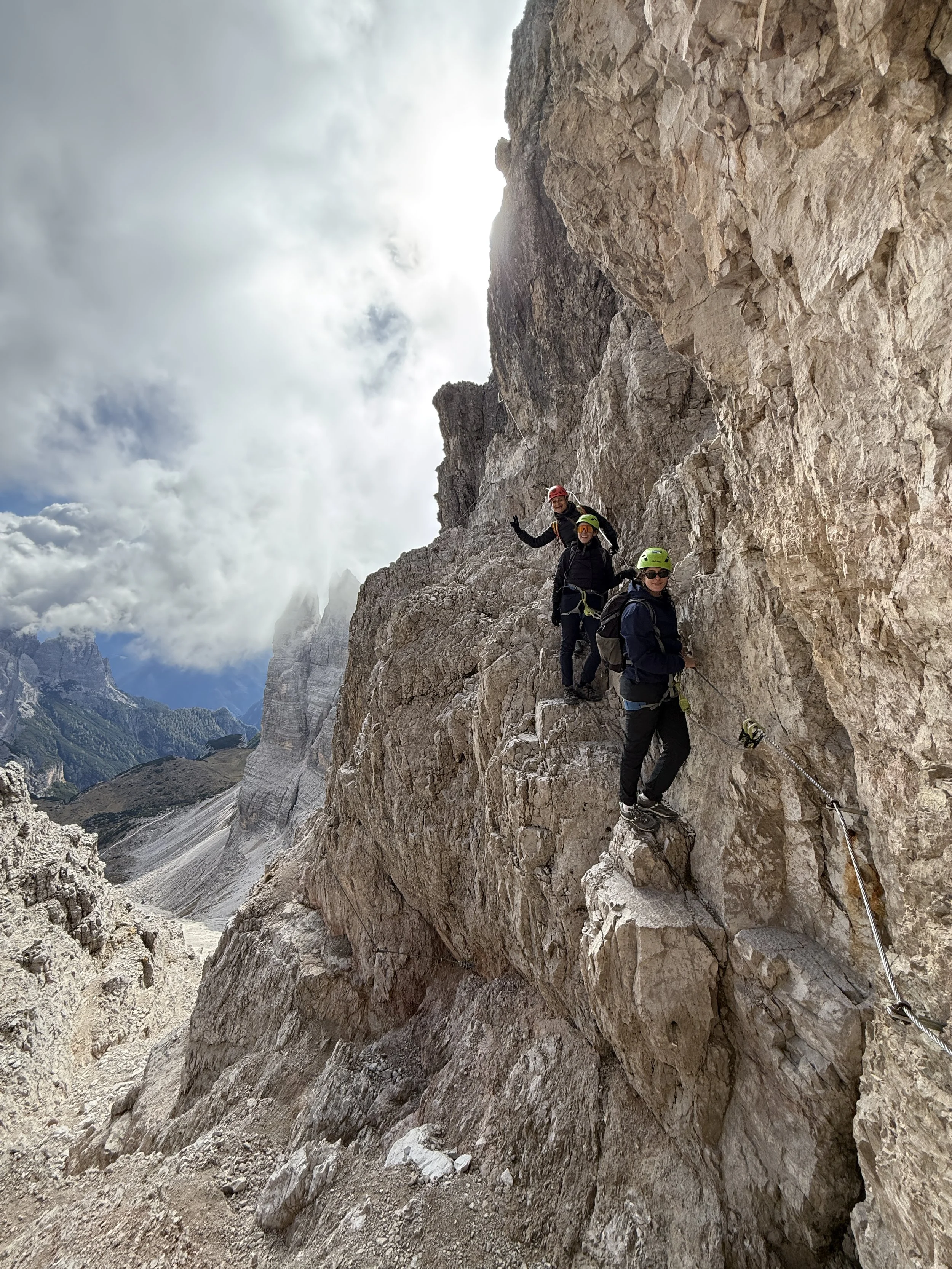
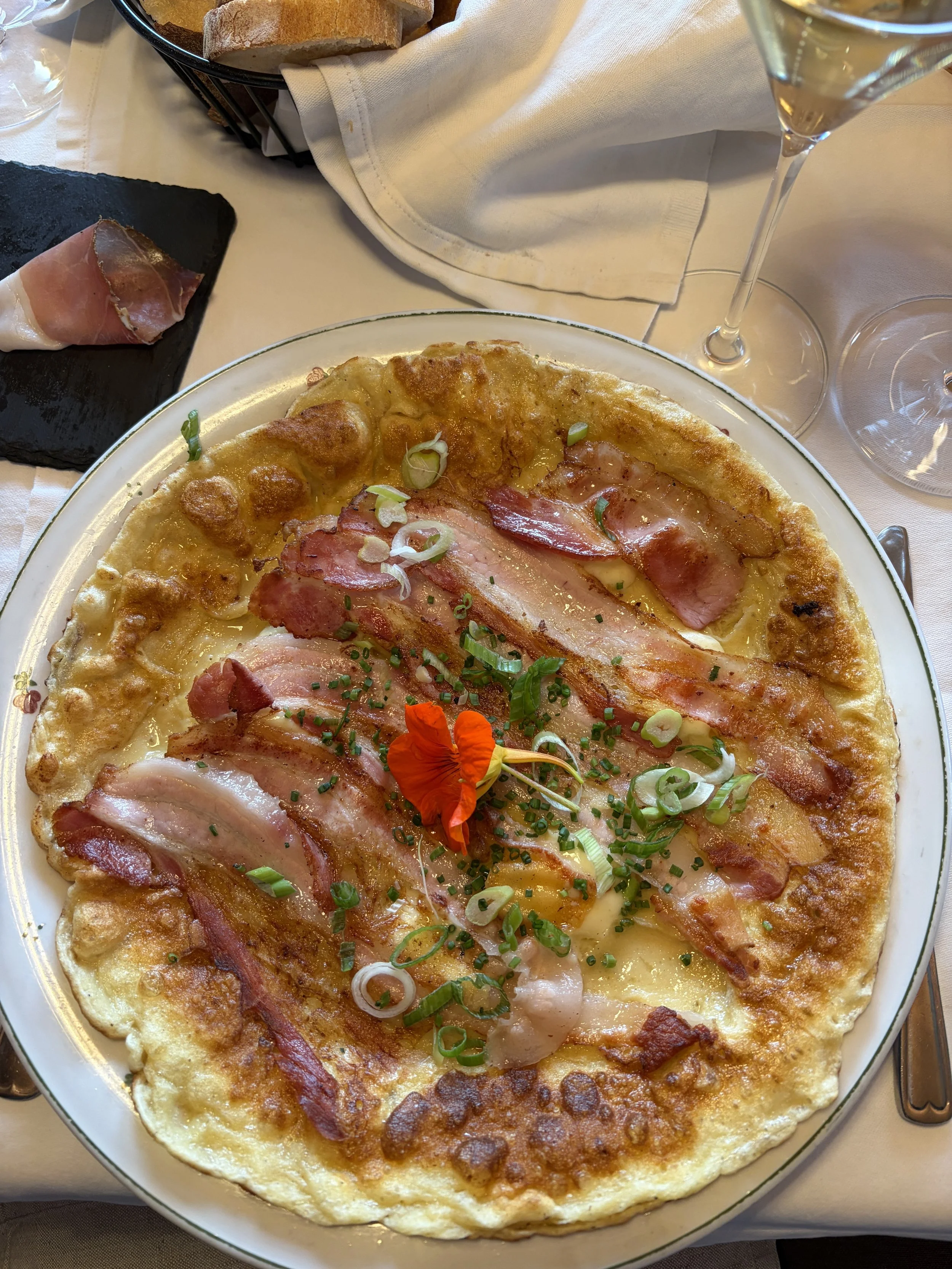
In October, I spent a morning on a via ferrata in Sesto, clipped into the rock with the dramatic peaks of the Tre Cime di Lavaredo surrounding me. Another day brought me to Rauchhütte on Alpe di Siusi, where I had a glass of Alto Adige sparkling wine and a frittata with local speck that I'm still thinking about.
What I love about the Dolomites is how much you can experience in a single trip. You can spend your morning hiking or climbing, have an incredible lunch halfway up a mountain, and finish the day in a beautiful hotel spa. And then there's the food, the wine, and the people who make this region so special.
In winter, it's one of the great ski regions of the world. Beyond ski season, those same mountains offer hiking, biking, climbing, via ferrata, and paragliding.
This guide is everything I'd tell you over coffee if you were planning a trip: where to base yourself, where to eat, the hotels I'd recommend, and a few places and experiences you really shouldn't miss.
A Little Italy, a Little Austria
The first thing that surprises people is that the Dolomites don't feel quite like the rest of Italy.
Much of the region, known as South Tyrol (Südtirol), was part of Austria until the end of the First World War. That history is still everywhere. German and Italian are both official languages, and you'll see village names and road signs in both. Sesto is also Sexten; Brunico is also Bruneck. In valleys like Alta Badia and Val Gardena, you'll also hear Ladin, a language with centuries of history in these mountains.
South Tyrol has a fascinating cultural identity shaped by its Austrian history, Italian influences, and distinct Ladin traditions. The balance varies from valley to valley, and that's part of what makes traveling through the region so interesting.
You feel those influences at the table, where Italian cooking meets hearty Alpine traditions. Think handmade pasta alongside speck, dumplings, mountain cheeses, and some exceptional local wines.
And let's talk about the wine.
Alto Adige is one of my favorite Italian wine regions. The vineyards benefit from warm sunshine in the valleys and cool Alpine air, creating wines with beautiful freshness and acidity. The dramatic differences in elevation also mean an incredible range of grape varieties can thrive here.
I'm a sucker for lighter wines, so I particularly love Schiava, a delicate, fragrant local red. Lagrein is another indigenous grape worth discovering, producing a richer, more structured red. For whites, look for Pinot Bianco and Gewürztraminer, historically associated with the village of Tramin.
And don't overlook the sparkling wines. Some of my favorite glasses from these trips were local Alto Adige bubbles, particularly after a long day outside.
You can be enjoying a glass of wine in a warm, sunny valley in the morning and standing beneath the Dolomites' dramatic peaks that afternoon.
Getting There and How Long to Stay
For travelers coming from the United States, Venice is often one of the most convenient gateways, with international flight connections and a relatively straightforward highway drive toward the eastern Dolomites. It's also a wonderful opportunity to add a few nights in Venice.
Milan is another major gateway, particularly if you're combining the mountains with the Italian Lakes. Munich and Innsbruck can also make sense, depending on which valley you're visiting and where you're flying from.
One option I particularly love is flying into Bolzano with SkyAlps. The airline connects the region with a growing selection of European destinations, making it possible to combine the Dolomites with somewhere completely different, perhaps Puglia or Sardinia.
How long to stay. In summer and early autumn, I recommend at least four nights. There's simply too much to experience, and the mountain roads and transfers take time.
In winter, I'd plan for four to seven nights, especially if skiing is your priority.
Getting around. For winter trips, I generally recommend a private transfer to your hotel and choosing a base with convenient access to the ski lifts. In summer, renting a car gives you the freedom to explore different mountain passes, villages, and trailheads at your own pace.
One thing I didn't fully appreciate until I was there is how different each valley feels.
Sesto is rugged and adventurous. Alta Badia is known for its Ladin villages, exceptional dining, and skiing. Brunico offers the energy of a historic town with the mountains close by.
Choosing the right valley is just as important as choosing the right hotel. The two go hand in hand, and where you stay can completely shape your experience.
Five Things To Know Before Planning a Dolomites Trip
Choosing your base. Cortina is the name everyone knows, but each valley has a different personality. Choose the area that suits how you want to experience the mountains.
Changing valleys too often. Mountain roads take time. Pick one or two bases rather than packing up every other day.
Don’t rush it. Two nights isn't enough. I'd recommend at least four, especially if you want time to explore.
Skipping the mountain huts. Some of the best meals happen halfway up a mountain. Plan your day around lunch.
Traveling between seasons. While there are less crowds, many hotels, huts, and lifts close for several weeks in spring and November. Check opening dates before planning your trip.
Winter in the Dolomites: Slopes, Hut Lunches and Après-Ski
The Dolomiti Superski pass covers twelve ski areas across the Dolomites, with an enormous network of interconnected and nearby slopes.
If you're coming from North America, the Ikon Pass includes up to seven days here (five on the Ikon Base Pass), so your lift ticket may already be taken care of.
One experience I'd plan a ski trip around is the Sellaronda, a spectacular circuit around the Sella massif that connects four valleys and four mountain passes.
You can ski the entire loop in a day, finishing where you started. For this, I'd recommend staying in Alta Badia or Val Gardena, where you have convenient access to the circuit.
The region is also wonderful for snowboarding, cross-country skiing, and snowshoeing.
What I'd make time for:
A long mountain-hut lunch. Take off your boots, order a glass of wine, and enjoy the afternoon. There’s no reason to rush.
Après-ski. As the lifts close, the terraces fill with skiers enjoying an aperitivo and the last light on the mountains.
The spa. After a full day outside, there's nothing better than returning to your hotel for a sauna, steam, or swim.
A few nights in Venice. Winter is a beautiful time to visit, with fewer crowds and a completely different atmosphere from summer.
The Dolomites Beyond Ski Season: Hiking, Climbing, and Mountain Adventures
When the snow melts, the Dolomites turn into meadows, hiking trails, and dramatic rock faces. You can hike, mountain bike, climb, or paraglide, or trek hut to hut, staying overnight in mountain rifugios along the way. It's also an incredible destination for families, with everything from gentle walks and lift-accessible trails to more adventurous activities.
Having visited in June and October, I can tell you the landscape feels completely different.
June brings green meadows, wildflowers, and long days. October is golden, with the trees changing color, crisp mountain air, and fewer visitors. It's a wonderful time for hiking and climbing, provided the weather cooperates and the trails remain accessible.
Three Experiences I Wouldn’t Miss
Via ferrata near Tre Cime. Via ferrata translates to "iron path," a route of fixed cables, ladders and rungs bolted into the rock, so you can climb routes that would otherwise be out of reach. I spent a morning climbing in Sesto, surrounded by some of the most dramatic mountain scenery I've ever experienced. It was one of the highlights of my trip.
My insider tip is to always go with a certified mountain guide. I work with local guides who can match the experience to your fitness, comfort level, and climbing experience.
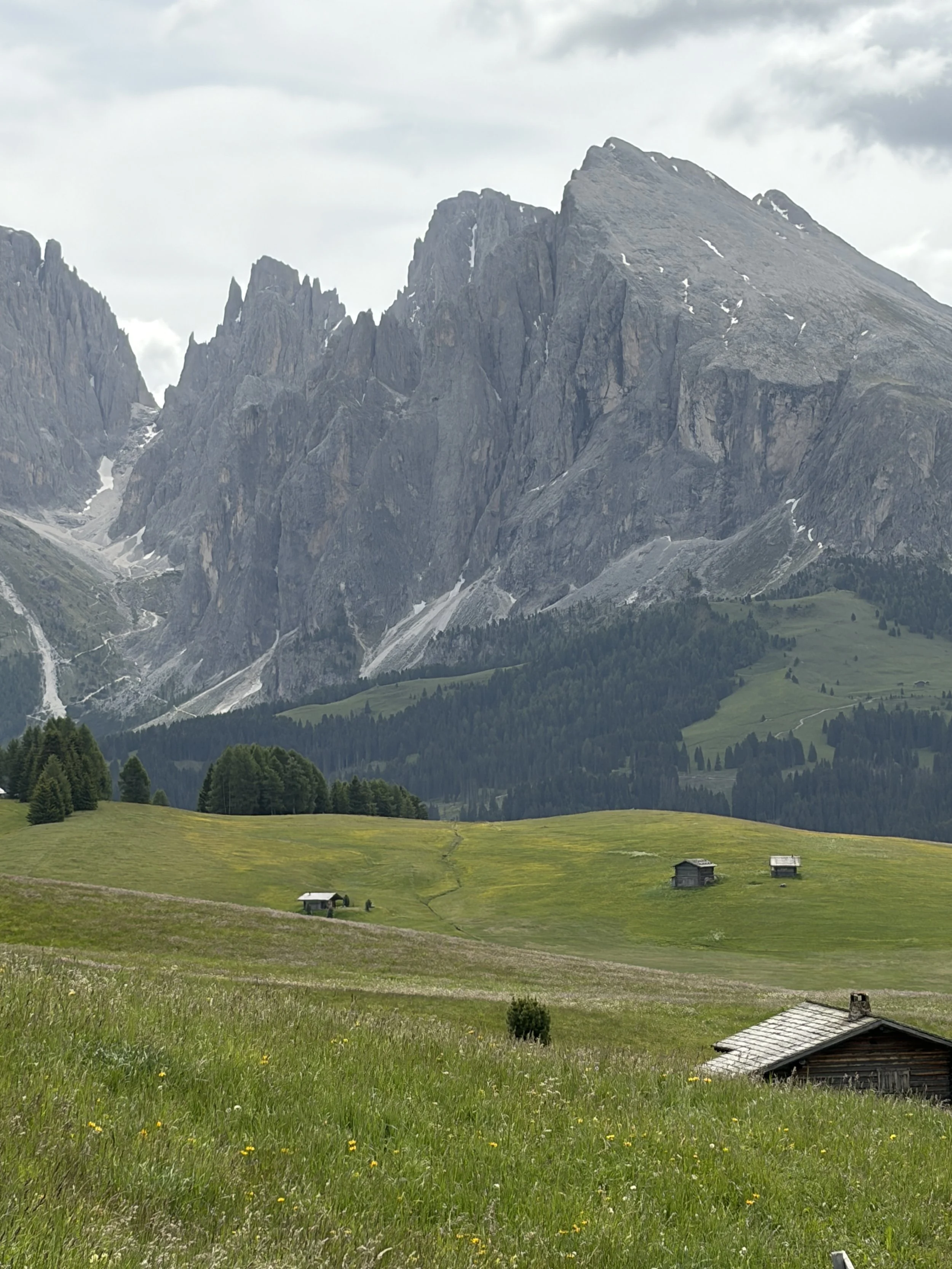
Hiking the Alpe di Siusi. Europe's largest high-alpine meadow, with the Sassolungo rising above it. It's one of those landscapes that stops you in your tracks. There are trails for almost every ability, from gentle walks to full-day hikes.
Discovering Alto Adige wines. Wine tasting deserves a place on your itinerary, whether you're visiting a winery in the valleys or simply ordering something local with lunch. Start with Schiava and Lagrein, then explore the region's exceptional whites and sparkling wines.
My Favorite Mountain Huts (and What to Order)
Some of my favorite meals in the Dolomites have happened at mountain huts. The food can be so good that it's worth planning your entire day around lunch.
These are three places I'd send you to.
Rauchhütte, Alpe di Suisi. I had lunch here in October and had the pleasure of meeting the family who runs it. Order a glass of local Alto Adige sparkling wine and the frittata with speck. To die for.
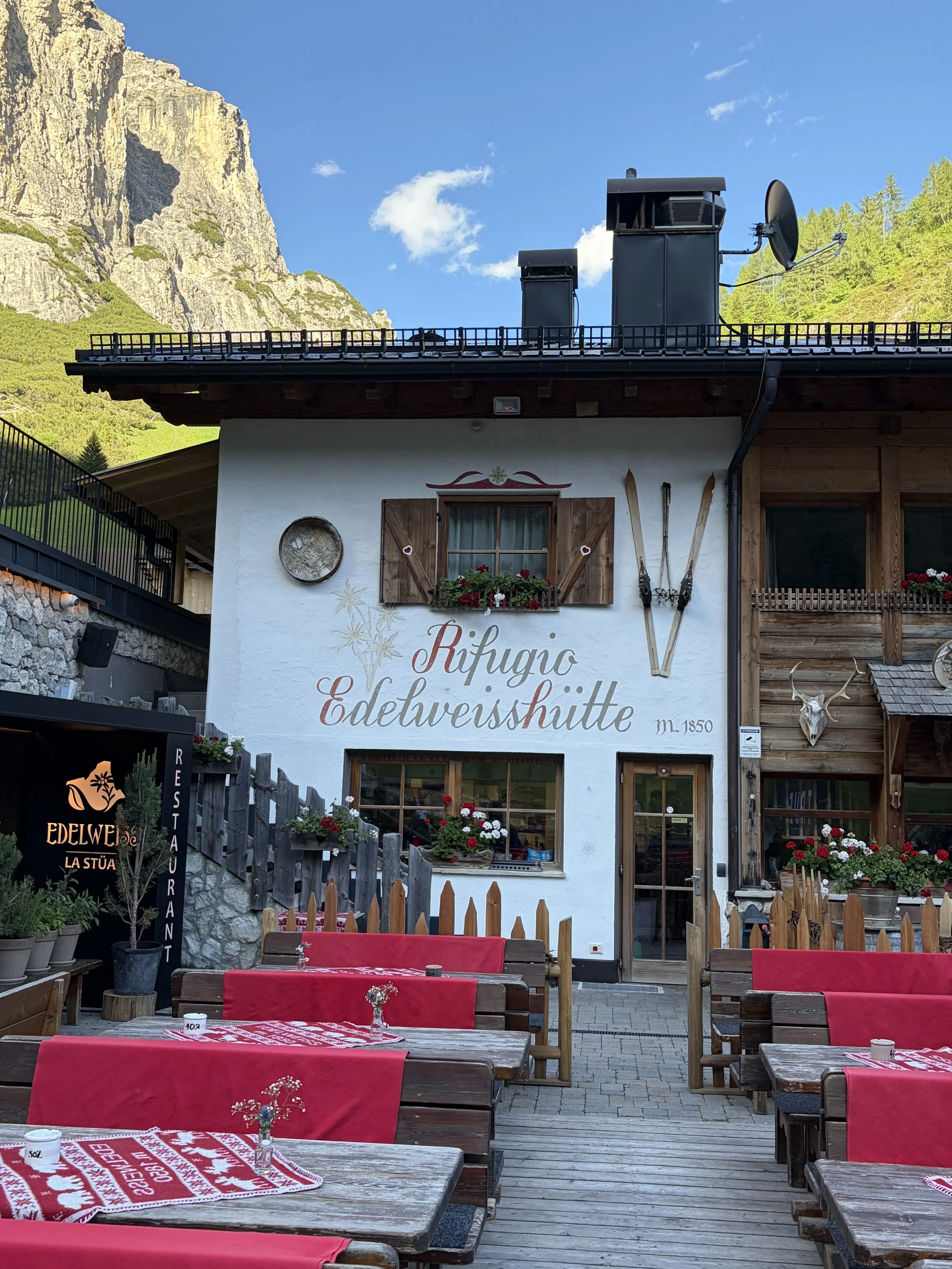
Rifugio Edelweiss, Colfosco (Alta Badia). I attended a wonderful event here during the TRUE travel conference in June.
The setting is beautiful, the food is excellent, and the team made the entire experience feel effortless.
Don't leave without the chestnut velouté.
Rifugio Comici, Val Gardena. Seafood is probably the last thing you'd expect to find halfway up a mountain, but Rifugio Comici is famous for it. Truly amazing. Book ahead.
One dinner worth planning around Ciasa Salares, San Cassiano (Alta Badia). This is a place I'd happily return to. Ciasa Salares is a family-run hotel with an extraordinary passion for food and wine. The wine cellar is incredible, and there's even a dedicated chocolate room. One of the most memorable experiences is heading downstairs to the intimate speakeasy and listening room, where Jan shares his knowledge and pours some exceptional wines. It’s an intimate, party vibe that I love.
Where to Stay: Finding Your Corner of the Dolomites
The hotels here are some of the region's best-kept secrets. You'll find charming family-run properties, beautiful four-star hotels delivering service and food well above their rating, and some exceptional five-star luxury hotels. The key is matching the right valley and hotel to the traveler.
Sesto (Sexten): The Wild Dolomites
This is where I stayed in October, and it's the valley with rugged mountain scenery, incredible hiking, via ferrata, and access to Tre Cime di Lavaredo. A quieter, more traditional Alpine experience.
Hotel Monika. Recently renovated, adults-only, with contemporary interiors, a gorgeous lobby, and two beautiful spa areas. Best for couples who want to unwind after active days.
Bad Moos. Traditional Alpine atmosphere, a lovely spa, and convenient ski access. A great choice for families and winter sports enthusiasts.
Alta Badia: Ladin Villages and Exceptional Dining
I was here in June. Alta Badia is a collection of picturesque villages, including Corvara and San Cassiano, known for outstanding food, luxury mountain hotels, and direct access to the Sellaronda.
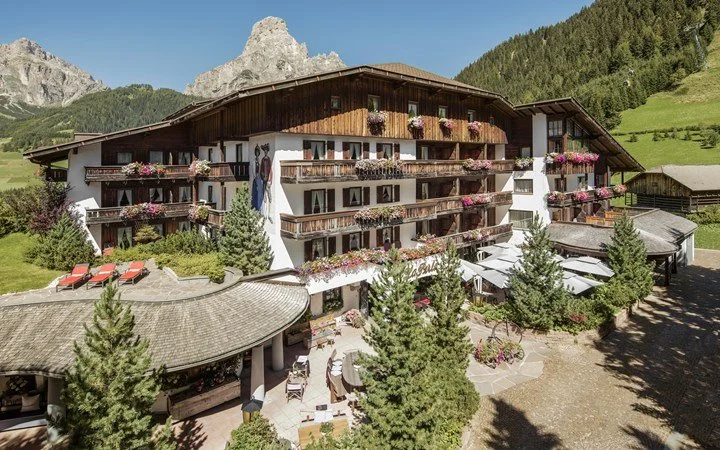
Hotel La Perla, Corvara. Walking into La Perla feels exactly like stepping into the Alpine lodge you've always imagined. Beautiful wood interiors, cozy rooms, incredible mountain views, and thoughtful details everywhere. The Costa family has owned the property since 1956, and Michil Costa's wonderfully eccentric personality gives it a character all its own. Classic Dolomites luxury at its best. Virtuoso benefits available.
Val Gardena (Gröden): Woodcarvers and Big Views
Val Gardena is famous for its centuries-old woodcarving tradition, charming villages, and excellent skiing and hiking. Ortisei is particularly lovely, with shops and restaurants within walking distance.
Gardena Grödnerhof, Ortisei. Best for: A beautiful five-star hotel combining contemporary Alpine design with warm, family-run hospitality. I loved staying here, particularly its central location and Michelin-starred Anna Stuben restaurant. Preferred-partner benefits available.
Alpe di Siusi (Seiser Alm): For the Hikers
If summer hiking is the point of your trip, base yourself here. Expansive Alpine meadows, incredible trails, and views of Sassolungo and Sciliar. You can stay on the plateau itself or in the villages below.
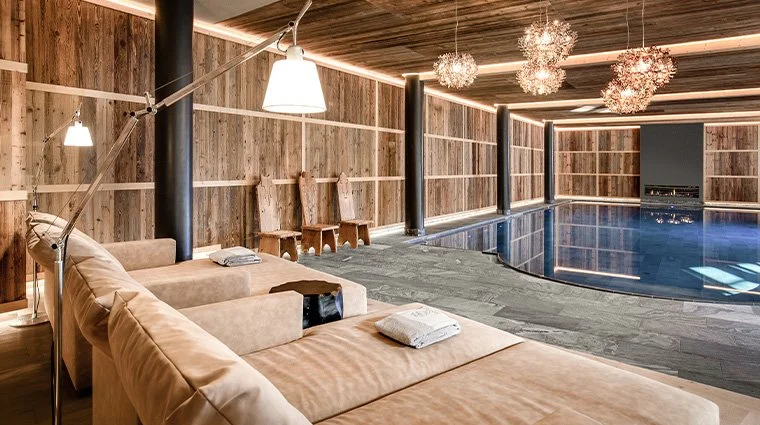
Sensoria Dolomites Siusi allo Sciliar: A beautiful adults-only retreat with a Japanese-inspired aesthetic and a real sense of calm. You can feel the thought and care that owner Lea Oberhofer put into transforming her family's hotel. It was clearly a labor of love, and the result feels incredibly personal. Just below Alpe di Siusi, with easy access to the cable car.
Hotel Turm, Fiè allo Sciliar: An extraordinary historic hotel filled with art from the family's private collection, including works by Picasso and Joseph Beuys. Wonderfully eccentric and perfect for art lovers.
Brunico (Bruneck): A Historic Alpine Town
Brunico has a medieval old town, good shops and restaurants, and Kronplatz on its doorstep. It's the best choice if you like a lively town to wander in the evenings rather than a quiet village.
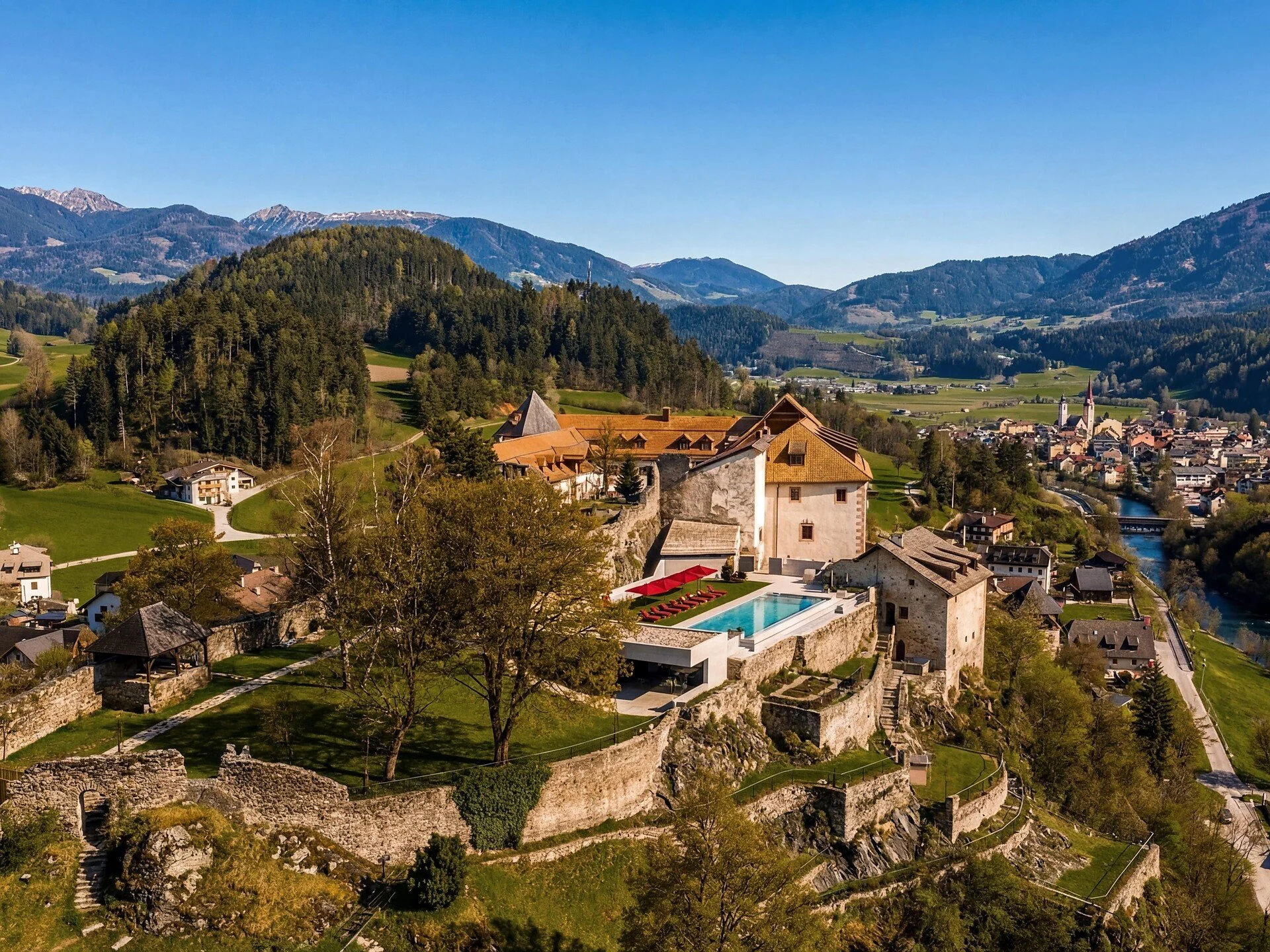
Castel Badia. An atmospheric 11th-century castle and former monastery transformed into a romantic luxury hotel. Moody, beautifully designed, and wonderfully secluded. If you love Borgo Egnazia in Puglia, this may be your kind of place.
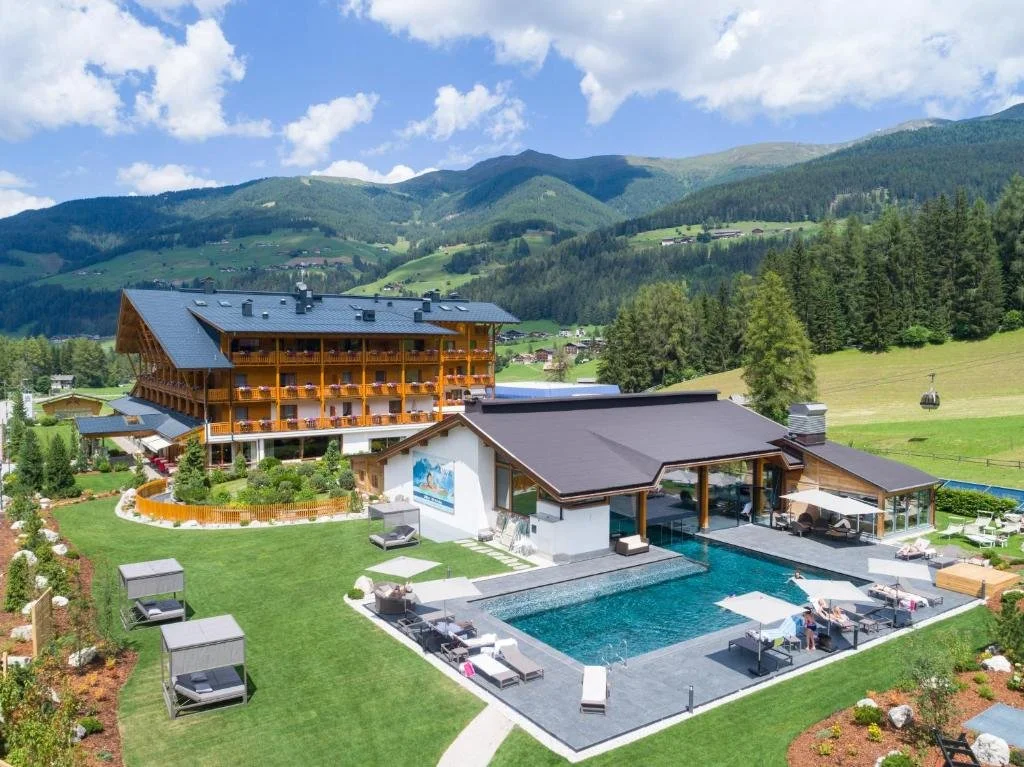
Hotel Petrus. One of my favorite discoveries. Run by sisters Daniela, Christina, and Brigitte, this family hotel has beautiful rooms, wonderful food, an indoor-outdoor pool, and a genuinely welcoming atmosphere. Great for families, with easy access to Kronplatz. And there's even a big, lovable Bernese Mountain Dog wandering around, making it feel even more like someone's home.
Cortina d'Ampezzo: The Classic Resort Town
A more established Alpine resort atmosphere, with shopping, restaurants, and spectacular access to the eastern Dolomites.
Mandarin Oriental Cristallo: A major luxury opening to watch for 2027, bringing Mandarin Oriental's hospitality to this historic mountain resort.
The Slow Hours at the Spa
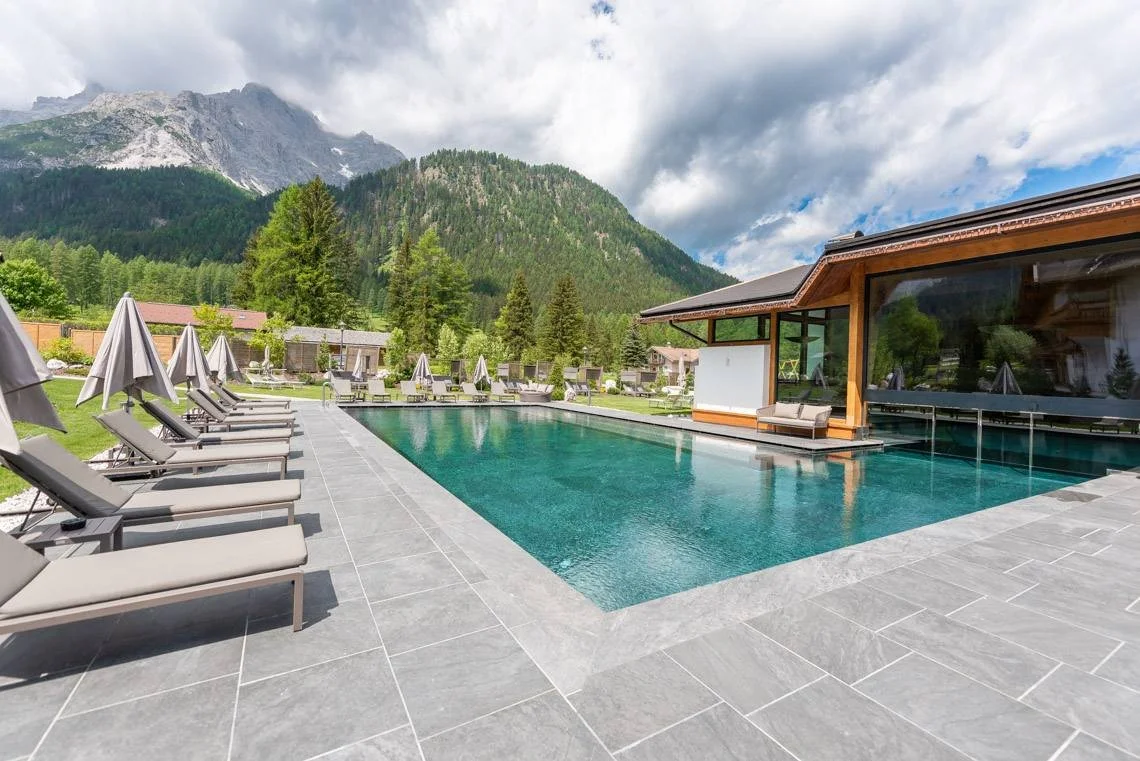
In the Dolomites, the spa isn't simply an added amenity. It's an important part of Alpine wellness culture. After a day hiking, skiing, or climbing, returning to your hotel for a sauna, steam, or swim is one of the great pleasures of being here.
What first-timers should know. Many saunas are clothing-free, and mixed-gender sauna areas are common. Swimsuits are often not permitted in these areas, although pools and relaxation rooms may have different rules. It can feel unfamiliar at first, particularly for American travelers, but it’s a normal part of the local wellness experience.
And if that's not your thing, don't worry. There are different spa experiences throughout the region, and it's something we can consider when choosing your hotel.
A Few Ways to Combine the Dolomites with the Rest of Italy
The Dolomites are also wonderful as part of a longer Italian itinerary.
In winter, I love the idea of combining a few nights in Venice with four to seven nights in the mountains.
In summer, you could start in Venice, spend several days exploring one or two Dolomites valleys, and finish with a few nights at the Italian Lakes before flying home from Milan.
Or, with the right flight connections, you could combine the mountains with a completely different part of Italy, such as Puglia or Sardinia.
The possibilities depend on the season, how much time you have, and how you like to travel.
Let's Plan Your Dolomites Trip
Two trips in one year, and I'd go back tomorrow.
What stays with me isn't just the spectacular scenery. It's the people I've met, the mountain huts, the food and wine, and the feeling of spending an entire day outside before returning to a beautiful hotel.
There's so much variety here, and no two valleys offer quite the same experience.
I've stayed in these hotels, explored the villages, eaten at the mountain huts, and met many of the people who make this region special.
Whether you're looking for one beautiful hotel with my preferred-partner benefits or a complete itinerary with private transfers, mountain guides, restaurant reservations, and experiences along the way, I'd love to help you plan it.